
Treatments
IV Therapy In Naperville, IL
Naperville's Best IV
Hydration & Nutrition
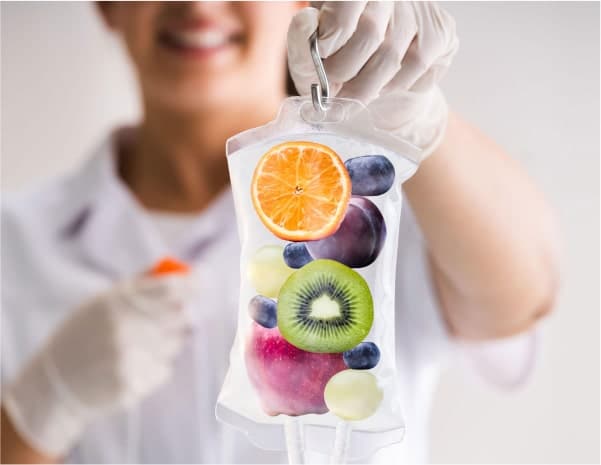
IV therapy is used to provide a variety of nutrients, vitamins, and medications directly into the bloodstream. It is a safe, effective way of administering fluids, electrolytes, and other beneficial fluids and antioxidants.
Relax in a comfortable room with four reclining IV chairs, large enough to accommodate groups. We have various different options to choose from, including our most popular options.
Book NowIs IV Therapy
Right For You?
IV therapy is an excellent choice for those who want to improve their overall health. It can be used to treat a variety of ailments and conditions, including
- Dehydration
- Fatigue
- Wellness
Benefits of IV Therapy
IV Therapy benefits include increased energy, improved hydration, and faster healing. It can also help improve your mental clarity and reduce stress and anxiety. In addition to these benefits, IV therapy can be used to deliver vitamins, minerals, and other nutrients directly into the bloodstream for maximum absorption that you'll see in your skin, hair, and nails.

Reduce inflammation

Boost Immunity

Reduce Fatigue
IV Therapy Pricing and Treatment Details

Beauty IV
Includes a blend of IV fluids, biotin, vitamin C, and antioxidants that detoxifies your body and strengthens your hair, skin, and nails to help you look and feel radiant.


Immunity IV
The Cold & Flu IV therapy combines Vitamin C, Zinc & B Vitamins to get you back to health and get your immune system pumping to fight the illness quickly.
Myer's Cocktail IV
The Myers’ cocktail formula consists of high doses of B vitamins, vitamin C, and minerals (magnesium and calcium) mixed with sterile water. This treatment is ideal for stress, anxiety & fatigue.
Hangover IV
This IV drip treatment rehydrates your body and helps flush out toxins and nutrients lost during drinking. The hangover IV also restores electrolytes and eliminates nausea, vomiting, headaches, and muscle aches. This treatment will help you recover FAST!

FAQs
IV therapy involves the insertion of a needle into a vein to deliver fluids, medications, and other nutrients directly into the bloodstream. When performed by a qualified medical professional, IV therapy is generally considered safe.
The duration of IV therapy can vary depending on the individual’s health needs and the type of vitamins, fluids, or medications being administered. In many cases, IV therapy sessions may last anywhere from several minutes to about an hour, while certain medical treatments may require longer infusion times. During your consultation at Radiant A MedSpa, a qualified provider will discuss the recommended treatment duration and customize the IV therapy session based on your specific wellness goals and health considerations.
As with any treatment that involves puncturing the skin, IV therapy carries some potential risks. These may include infection at the injection site, irritation of the vein, or electrolyte imbalances if the therapy is not properly monitored. For this reason, it is important to receive IV therapy under the supervision of qualified medical professionals. At Radiant A MedSpa, patients receive a thorough consultation before treatment to review their health history and ensure the therapy is administered safely with proper monitoring.
While IV therapy is not a miracle cure for weight loss, it can help with hydration and nutrient absorption, supporting any weight loss efforts. Additionally, some IV therapies offer elements like amino acids and lipotropic agents that can help keep fat burning and improve metabolism. However, it is important to note that IV therapy should be combined with a healthy lifestyle and diet to see optimal weight loss results.
Patients who have a history of severe allergic reactions to certain medications, particularly those used in IV solutions, as well as those who have a history of heart or kidney failure, should not receive IV therapy. Patients with poor vein access or clotting disorders may also not be suitable candidates for IV therapy.
While blood clots are a potential risk associated with any medical intervention that involves puncturing the skin, the risk of developing a blood clot from IV therapy is low.
Nevertheless, monitoring patients carefully during IV administration and looking for signs of clotting, such as pain or swelling in the limb, is essential. In addition, patients at higher risk of developing blood clots, such as those with a history of immobilization, may benefit from preventive measures like compression stockings or medications to reduce clotting risk.
Overusing IV therapy can lead to complications such as infection, vein irritation, inflammation, and clotting. Too much IV therapy can pose a risk and should be avoided to prevent adverse outcomes. IV therapy should be used only when necessary and under medical supervision.